
 Română
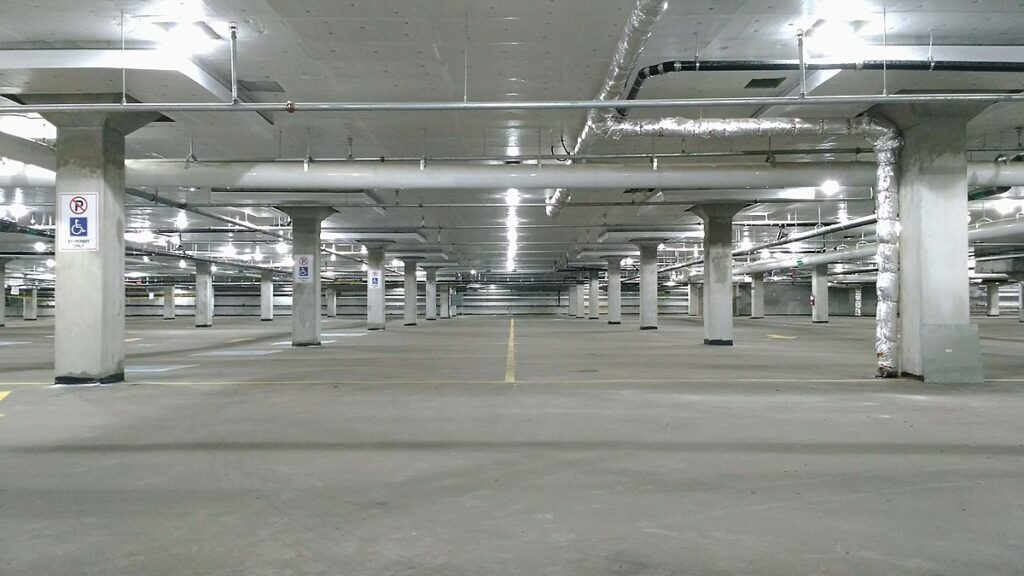
Parking Garages
Picture parking garages that automatically repair their own cracks, staying structurally sound without frequent maintenance.
Self healing concrete brings enhanced durability and cost savings with cutting-edge technology.
Concrete crack sealer fixes cracks up to 1 mm, waterproofs concrete structure, and eliminates coatings and membranes.
Crack-Healing concrete reduces the amount of steel and cement needed and cuts CO2 by 72 kg/ m3, achieving up to 50% CO2 footprint reduction.
Extensive testing shows exceptional durability and resilience of self-healing concrete against freeze-thaw cycles and chemical exposure.
The autonomous repair capabilities of the self-healing agent significantly lower maintenance costs and extend the structure’s lifespan by 30%
Self-healing of cracks makes concrete water-tight, with bacteria spores remaining active for up to 200 years.
Crystalline waterproofing admixtures are promoted as self-healing solutions; however, a bacteria-based self-healing agent can effectively repair cracks up to 1 mm, ensuring long-lasting structural integrity.
Picture parking garages that automatically repair their own cracks, staying structurally sound without frequent maintenance.
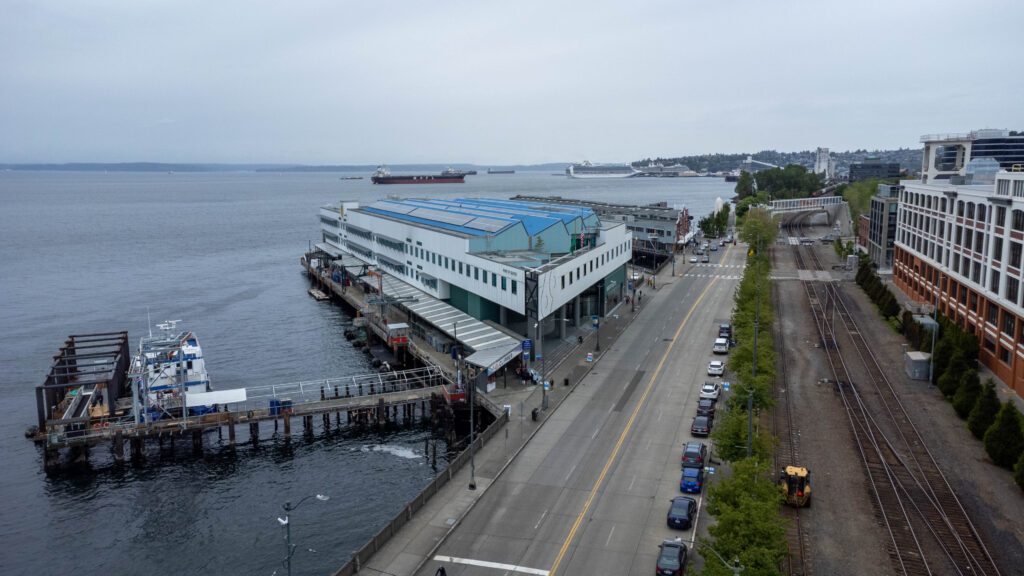
Consider concrete bridges with the ability to autonomously heal their cracks, ensuring seamless operation and lifespan for countless users.
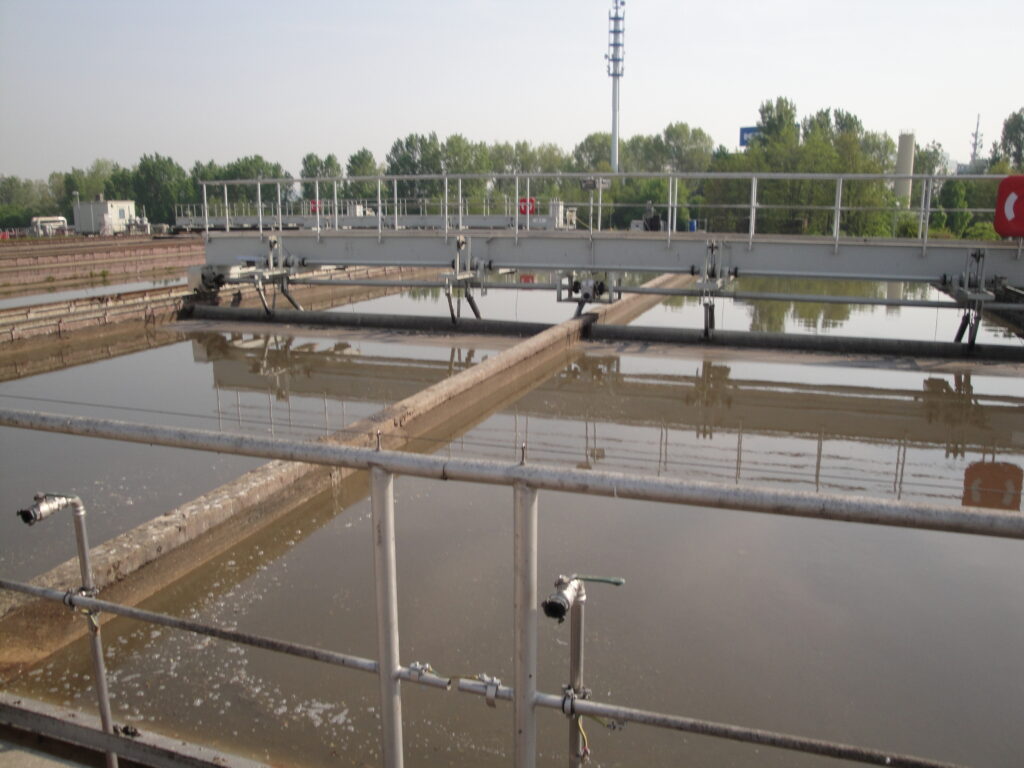
Imagine piers able to withstand the most severe marine environments by autonomously repairing cracks, ensuring reliable support for maritime operations.
Imagine water tanks that self-heal cracks, maintaining clean water supply and preventing costly water loss or contamination.
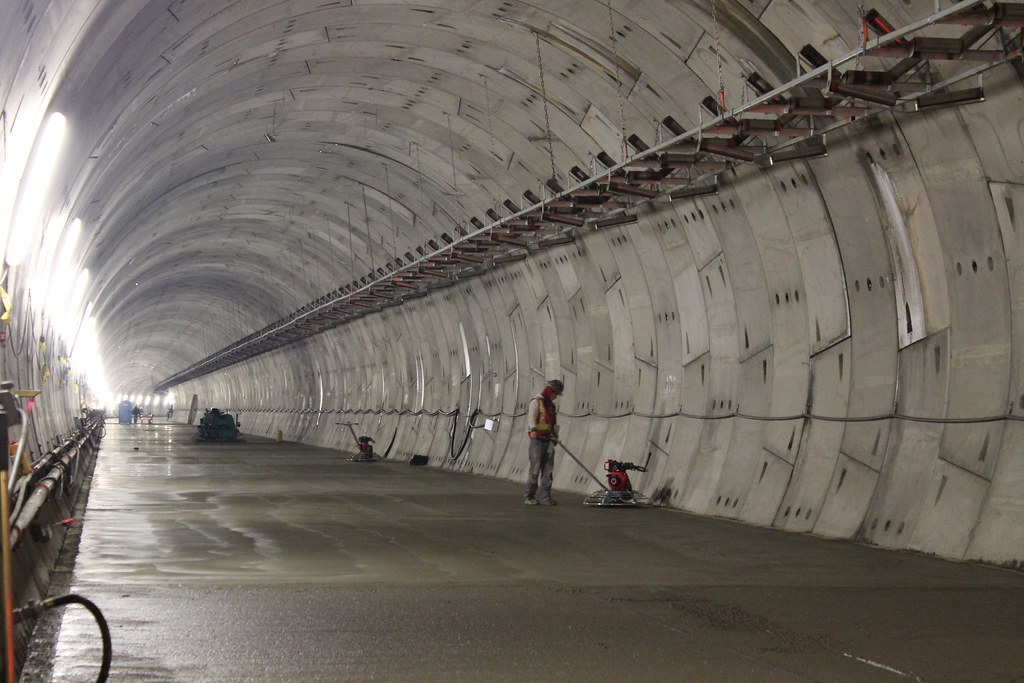
Picture tunnels that autonomously mend concrete cracks, prevent water infiltration, ensure uninterrupted usage, and reduce maintenance costs.
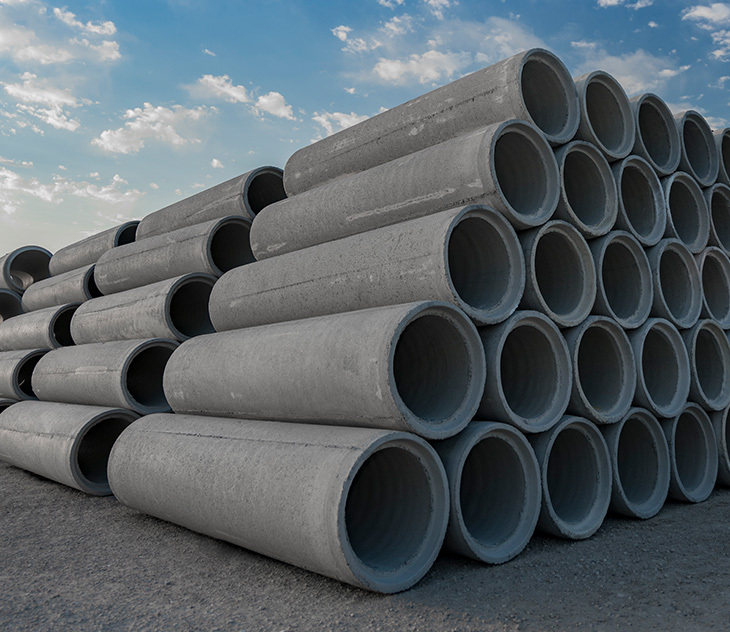
Visualize water and sewer concrete pipes that self-heal cracks, delivering cities a sustainable, maintenance-free underground infrastructure.

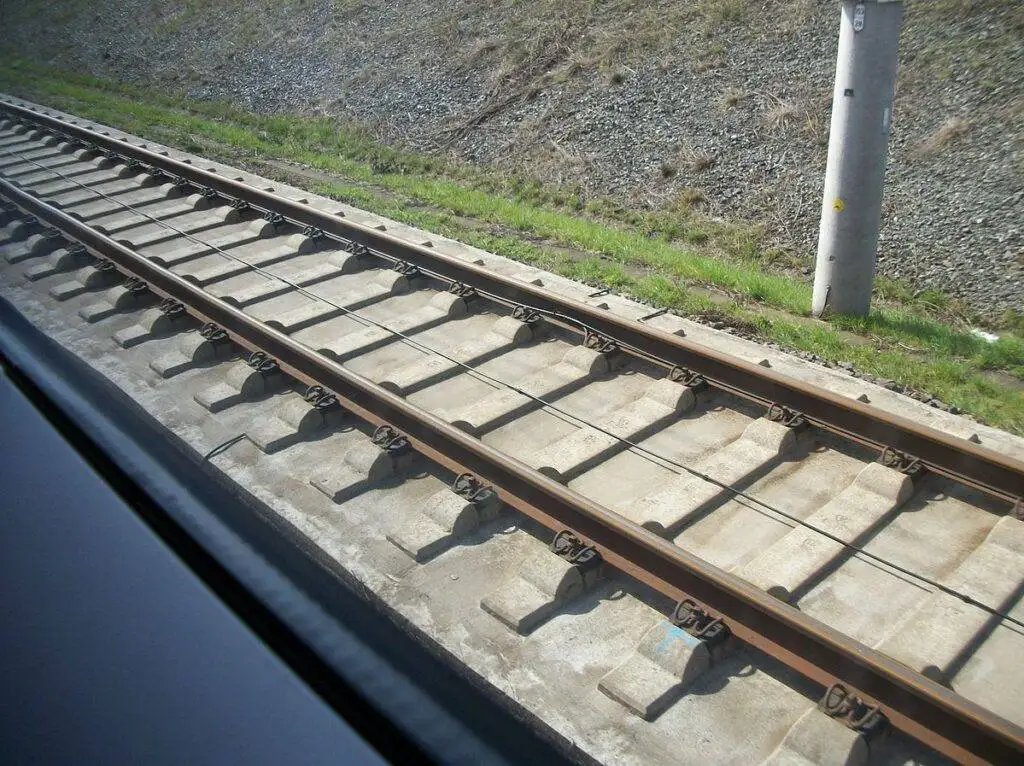
Consider concrete rail elements that can heal cracks on their own, ensuring a reliable and robust rail system without frequent repairs.
Imagine concrete runways that autonomously heal surface cracks, ensuring continuous and safe operations for air travel.
Envision concrete floors that self-heal cracks, ensuring durable and long-lasting surfaces ideal for residential, commercial, and industrial use.
Self-healing concrete is precast and cast-in-place concrete that repairs itself (without human intervention) when cracks appear. The technology works with micro-organisms that produce limestone. In this way, the durability of the concrete is greatly improved. Self-healing concrete is available in various products for new concrete constructions and restoration of existing concrete structures.
That concrete inevitably develops cracks, and even slight cracks (up to 0.2 mm), that are generally permissible can lead to significant problems. To prevent them from expanding a substantial amount of steel reinforcement is necessary. A self-healing agent in new concrete heals cracks up to 1 mm, prevents steel corrosion, and prolongs the lifespan of reinforced steel structures while reducing the amount of structural steel required. Self-healing concrete is waterproof because cracks in the concrete repair themselves as soon as they occur. As a result, any special coatings or waterproof membranes are normally not required.
Self-healing concrete offers watertight protection, safeguards reinforcement, reduces the CO2 footprint, and is easy and quick to apply.
Traditional repair methods of cracks and leaks in concrete structures such as injections are more expensive, time-consuming and more difficult to apply to narrow concrete cracks. Due to its low viscosity, Liquid Self-Healing Agent easily penetrates even the smallest cracks and forms a gel that seals cracks and pores. During the self-healing process, the environmentally friendly bacteria create limestone, permanently filling the crack and healing the surface = cracks repair themselves.
Self-healing concrete is a lot more sustainable than conventional concrete. Up to 40% less steel reinforcement is needed, and the CO2 footprint is reduced by 30-50%. Self-healing concrete is durable, and long-term maintenance costs are lower than conventional concrete.
Self-healing concrete is a viable and sustainable material for bridges, marine structures (water dams), tunnels, and other concrete structures. It extends the lifespan of a reinforced concrete structure to over 100 years.
Our technical team evaluates the project conditions and recommends the right system, with documentation and application support.
Or contact us directly: office@gemite.tech · +40 232 273 031